Best Foods for Prostate Health: Diet Guide
Quick Answer: What Should I Eat for a Healthy Prostate?
The best foods for prostate health work as an overall pattern rather than a single item. Aim for plenty of cooked tomatoes, cruciferous vegetables, oily fish, nuts and seeds, and green tea, with less red and processed meat and no excess dairy. A Mediterranean-style diet covers most of this, and it supports prostate health as part of a daily routine.
- Eat more: cooked tomatoes, broccoli family, oily fish, nuts, seeds, green tea.
- Eat less: red and processed meat, fried food, excess dairy and calcium.
- Honest limit: food is prevention and support, not a treatment for disease.
The most important idea first: pattern beats superfood
If you take one thing from this guide, make it this: no single food protects the prostate. The headlines love a "superfood", but the research consistently shows that it is the overall pattern of eating — sustained over years — that tracks with better outcomes. A man who eats one tomato salad among a week of processed food is not the man the studies are describing. So read the list below as a shopping habit, not a checklist to tick once.
With that framing in place, here are the foods that earn their spot, and why.
Cooked tomatoes and lycopene
Tomatoes are the most-studied prostate food, thanks to lycopene, the pigment that makes them red. Observational studies have linked higher tomato and lycopene intake with better prostate outcomes, though the trial evidence is more mixed than the reputation suggests. The practical twist most people miss is that cooking tomatoes, and eating them with a little fat, makes their lycopene far easier for the body to absorb. That means tomato sauce, tomato paste, soup and slow-roasted tomatoes with olive oil are more useful than a raw slice. It is one of the rare cases where processing helps.
Cruciferous vegetables
Broccoli, cauliflower, cabbage, kale and Brussels sprouts belong to the cruciferous family, which produces sulphur compounds such as sulforaphane. Population studies have associated regular cruciferous intake with modestly better prostate outcomes, and the laboratory work on how these compounds influence cell behaviour is genuinely interesting. As with tomatoes, the honest caveat is that observational data cannot prove the vegetables themselves are responsible — but few foods offer so much nutrition for so little downside, so the risk-to-reward of eating more of them is excellent. Light steaming preserves more of the active compounds than boiling them to death.
Oily fish and omega-3
Salmon, mackerel, sardines and herring supply long-chain omega-3 fats, which have a well-established role in reducing inflammation and supporting heart health. The prostate-specific evidence is less clear-cut — some studies are encouraging, a few raised questions — but the broader case for a couple of servings of oily fish a week is strong, and heart-healthy generally overlaps with prostate-friendly. Choosing fish in place of red meat is a double win: you add the omega-3s and subtract the meat at the same time.
Nuts, seeds and trace minerals
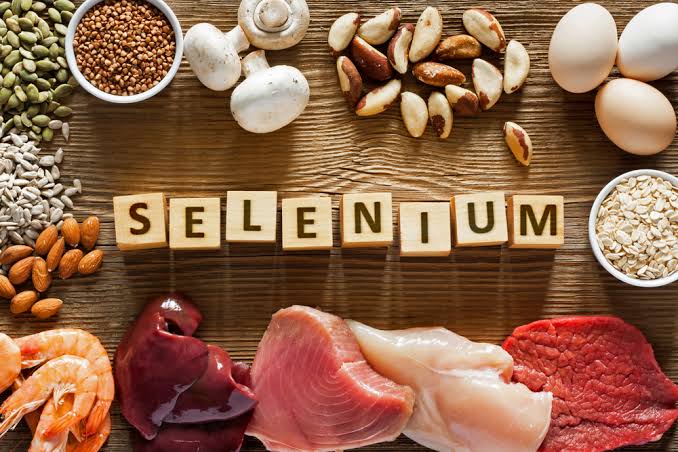
Nuts and seeds are a quiet workhorse of a prostate-friendly diet. Pumpkin seeds are a good source of zinc, a mineral concentrated in prostate tissue; brazil nuts are famously rich in selenium; and walnuts add plant omega-3s. The key message here is "food first". The large SELECT trial found that selenium supplements did not prevent prostate cancer, and high-dose supplementation carries its own risks — but getting these minerals from a handful of nuts and seeds is a different, safer proposition, because whole foods deliver them in modest, balanced amounts you cannot easily overdo.
Green tea
Green tea contains polyphenols called catechins that have attracted research interest for prostate health, particularly in populations that drink it regularly. The evidence is preliminary and mostly observational, so green tea is a "reasonable addition with a plausible upside" rather than a proven protector. If you enjoy it, it is an easy, low-calorie swap for sugary drinks; if you do not, there is no need to force it.
What to limit
The other half of eating well is eating less of a few things. The most consistent signals in the research point to red and processed meat — especially charred or heavily processed forms — and to excess dairy and very high calcium intakes, which some large studies associate with poorer prostate outcomes. Heavily processed and deep-fried foods round out the list. "Limit" is the operative word, not "eliminate": there is no need for a joyless diet. Smaller portions, less often, with vegetables and whole grains filling the space, is the realistic version of this advice.
Prostate-friendly plate at a glance
| Eat more | Why |
|---|---|
| Cooked tomatoes (with a little fat) | Lycopene, better absorbed when cooked |
| Cruciferous vegetables | Sulphur compounds; excellent overall nutrition |
| Oily fish, 1–2 servings/week | Omega-3s; heart- and prostate-friendly swap for meat |
| Nuts and seeds | Zinc, selenium and plant omega-3s from whole food |
| Green tea | Catechins; low-risk, preliminary evidence |
Small swaps that add up
The gap between knowing what to eat and actually eating it is where most good intentions die, so it helps to think in swaps rather than in rules. Reach for tinned tomatoes and tomato paste as the base for sauces and stews, which quietly builds lycopene into meals you were cooking anyway. Keep a bag of frozen broccoli or mixed cruciferous vegetables in the freezer so a serving is never more than a few minutes away. Put a tin of sardines or mackerel on toast for a fast lunch, and keep a jar of mixed nuts and pumpkin seeds where you would otherwise reach for crisps.
Two lifestyle factors deserve a mention because they interact with everything on the plate. The first is body weight: carrying excess weight, especially around the middle, is associated with worse urinary symptoms and poorer prostate outcomes, so a dietary pattern that helps you stay a healthy weight is doing double duty. The second is hydration and timing — drinking enough during the day but easing off fluids, caffeine and alcohol in the evening can meaningfully cut the number of night-time bathroom trips, no matter what else is on your plate. None of this is glamorous, but it is the kind of unremarkable consistency that the evidence actually rewards.
The Mediterranean shortcut
If assembling all of this feels fiddly, there is a shortcut: a Mediterranean-style diet already contains almost everything on the "eat more" list and naturally limits the "eat less" one. It is built around vegetables, fruit, legumes, whole grains, olive oil, fish and nuts, with red meat as an occasional guest rather than the main event. Observational research links this pattern with better overall health and men's-health outcomes, and even where prostate-specific proof is thin, it is one of the safest, most enjoyable and best-evidenced ways to eat for a body of any age. You do not need to be Italian or Greek about it — the principles travel.
The honest limit of food
Here is the boundary worth stating plainly: diet is prevention and support, not treatment. No food and no eating pattern has been shown to shrink an enlarged prostate or to substitute for medical care. Benign prostatic enlargement and other prostate conditions are medical matters, so a weakening stream, urgency, blood in the urine or a raised PSA are reasons to see a clinician — not reasons to eat more tomatoes and hope. Think of good food as the foundation that keeps the rest of your health robust, with any prostate-specific benefit a welcome bonus rather than a guaranteed cure.
Medical note: this article is general information, not medical advice. Diet supports health but does not treat disease. See a clinician for persistent or new urinary symptoms, and talk to a professional before making big dietary changes if you have a health condition.
Scientific references
- Harvard T.H. Chan School of Public Health — The Nutrition Source: healthy dietary patterns
- Lippman S.M. et al. — Effect of selenium and vitamin E on prostate cancer (SELECT), JAMA
- NIH Office of Dietary Supplements — Zinc Fact Sheet for Health Professionals
- PubMed — reviews of lycopene, cruciferous vegetables and Mediterranean diet in prostate health
- American Urological Association — Benign Prostatic Hyperplasia (BPH) Guideline
Where a supplement fits alongside a good diet
ProstaVitalis pairs studied plant actives with zinc and selenium as a top-up to a whole-food diet — with every ingredient and its evidence laid out honestly.
Order Now