Prostate Health Checklist for Men Over 50
What Should Men Over 50 Do for Prostate Health?
A prostate health checklist for men over 50 comes down to a few key habits. Have a shared-decision talk about PSA screening, build your diet around vegetables, tomatoes, fish and seeds, and check your vitamin D and zinc status. Stay active, keep a healthy weight, limit bladder irritants and track urinary symptoms with the IPSS.
- Screening: a shared-decision PSA talk from about age 50 (earlier if higher risk).
- Foundations: diet, exercise, weight, and vitamin D and zinc status.
- Monitor: track urinary symptoms with the IPSS over time.
Why 50 is the number that matters
The prostate changes with age. Benign enlargement becomes common from the fifties onward, and the risk of prostate cancer also rises with each decade. None of that is a reason to panic, and none of it is inevitable in the sense of causing symptoms. But it is the reason 50 is the age at which a bit of deliberate attention pays off. The checklist below is prevention-minded and practical. It will not treat or cure any condition, and it is not a substitute for medical care. What it does is stack the sensible, evidence-supported habits in one place so you are not guessing.
1. Get the screening conversation right
The single most important item is not a supplement or a superfood. It is a conversation. Prostate-specific antigen (PSA) testing is offered as a shared decision, meaning you and a clinician weigh the benefits, catching aggressive cancer earlier, against the harms, false alarms, biopsies and the risk of treating cancers that would never have caused trouble. Major guidelines converge on starting that conversation around age 50 for men at average risk.
Timing shifts earlier for higher-risk men. If you are Black, or you have a father or brother who had prostate cancer, or a known genetic risk, the conversation typically starts around 40 to 45. The key word is conversation. PSA is not an automatic annual ritual for everyone, and it is not something to avoid out of fear either. Go in informed, ask what your number means for your age, and decide together how often, if at all, to repeat it.
2. Build the diet on real foundations
Diet is where a lot of noise lives, so anchor on what the research consistently associates with better prostate and urinary outcomes, while remembering that association is not proof. A pattern built on vegetables, fruit, whole grains, fish and healthy fats, essentially a Mediterranean-style diet, is linked with better outcomes and, just as importantly, a healthier heart and weight, which matter for the prostate too.
A few specifics come up repeatedly. Cooked tomatoes provide lycopene, which some studies associate with prostate benefits; the cooking and a little oil help absorption. Oily fish supplies omega-3 fats. Pumpkin and other seeds provide zinc and plant sterols. Cruciferous vegetables such as broccoli are studied for compounds of interest. Treat these as reasons to eat a varied, plant-forward diet rather than as magic bullets. No single food prevents disease, and the honest framing is "supportive pattern", not "protective cure".

The over-50 checklist at a glance
| Item | Practical action |
|---|---|
| PSA screening | Shared-decision talk from ~50 (earlier if higher risk) |
| Diet | Mediterranean-style; tomatoes, fish, seeds, vegetables |
| Vitamin D | Check status; correct a deficiency rather than mega-dose |
| Zinc | Adequate intake from food; avoid high-dose supplements unless advised |
| Exercise & weight | Regular activity; aim for a healthy waistline |
| Bladder irritants | Limit excess caffeine and alcohol, especially in the evening |
| Symptom tracking | Complete the IPSS once or twice a year |
3. Check vitamin D and zinc status
Two nutrients are worth knowing your numbers on. Vitamin D deficiency is common, especially in older men and in less sunny climates, and low status is associated with poorer general and urinary health. The sensible move is to check your level and correct a genuine deficiency, rather than taking high doses on spec. Zinc is concentrated in prostate tissue and needed for normal function, but "more" is not better. High-dose zinc supplements can cause problems, including interfering with copper, so aim for adequacy through food unless a clinician advises otherwise.
This is also where a cautionary tale belongs. The large SELECT trial tested selenium and vitamin E supplements and found they did not prevent prostate cancer; vitamin E was even associated with a slightly increased risk. The lesson is not that these nutrients are bad, it is that isolated high-dose supplementation in already-nourished men is not a reliable prevention strategy and can backfire. Food-first, deficiency-corrected, is the defensible position.
4. Move your body and manage your weight
Regular physical activity and a healthy weight are on almost every credible prostate list, and for good reason. Obesity and the cluster of problems around it, sometimes called metabolic syndrome, are associated with worse lower-urinary-tract symptoms and poorer outcomes. Exercise also directly helps some urinary symptoms and supports sleep, mood and cardiovascular health. You do not need to become an athlete. Consistent walking, some resistance work, and not sitting for hours on end cover most of the benefit.
5. Limit the bladder irritants
If you have any urgency, frequency or night-time waking, trimming the bladder irritants is a quick win. Caffeine and alcohol are both diuretics and can irritate the bladder, and shifting them earlier in the day often reduces symptoms without any medication. This does nothing to the prostate itself, but it can meaningfully improve day-to-day comfort, which is the point.
6. Track your symptoms with the IPSS
Finally, measure. The International Prostate Symptom Score (IPSS) is a short, validated questionnaire that scores things like weak stream, frequency, urgency and getting up at night. Completing it once or twice a year turns a vague sense of "things are a bit worse" into a number you can track over time, and it gives a clinician something concrete rather than an anecdote. A rising score, or a sudden change, is a prompt to get checked rather than to wait.
Don't silo the prostate from the rest of your health
One of the most useful mindset shifts after 50 is to stop treating the prostate as a separate organ to be "fixed" and start seeing it as part of a system. The same things that protect your heart and blood vessels, controlling blood pressure, not smoking, keeping cholesterol and blood sugar in range, tend to track with better urinary and prostate outcomes too. This is not a coincidence; the prostate and bladder depend on healthy circulation and nerves, both of which suffer under the conditions that also harm the heart. A single set of habits does double duty.
It is also worth booking the boring appointments you have been putting off. A general check-up gives you baseline numbers, blood pressure, blood sugar, cholesterol and, if you decide on it, PSA, against which future changes can be measured. Mental health belongs on the list as well: urinary symptoms and poor sleep wear men down, and the fatigue and low mood that follow are real, treatable, and not something to just tolerate. Bringing all of this to one honest conversation with a clinician is more valuable than any single supplement or superfood.
Where supplements fit in all this
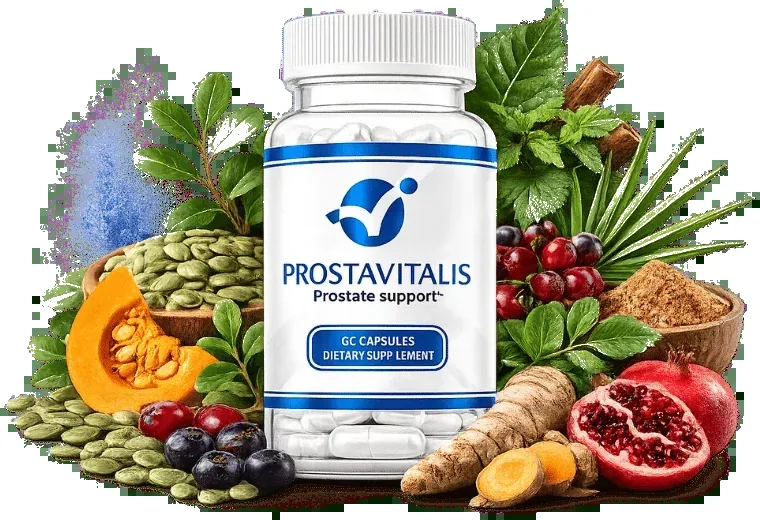
Supplements sit at the end of the list, not the start, and they are optional. Some botanicals, such as beta-sitosterol, have reasonable data for urinary symptoms, while others, such as saw palmetto, are more mixed. A supplement is a possible add-on to the foundations above, never a replacement for screening, diet, exercise or medical care. If you do try one, give it a fair, defined trial and judge it against your IPSS rather than a feeling.
Medical note: this checklist is general information, not medical advice, and does not diagnose, treat or prevent any disease. Use it to prepare for a conversation with your own clinician, who can tailor screening and any supplement to your history and medications.
Scientific references
- American Cancer Society — Recommendations for Prostate Cancer Early Detection
- U.S. Preventive Services Task Force — Prostate Cancer: Screening
- Klein E.A. et al. — Vitamin E and the risk of prostate cancer (SELECT), JAMA
- NIDDK — Prostate Enlargement (Benign Prostatic Hyperplasia)
- Urology Care Foundation — International Prostate Symptom Score (IPSS)
Related reading
- The PSA Test Explained: What the Numbers Mean After 50
- Best Foods for Prostate Health: A Diet Guide
- Vitamin D and Prostate Health: The Role of Deficiency
- Prostate-Friendly Sleep: Cut Night-Time Bathroom Trips
Want the supplement piece explained plainly?
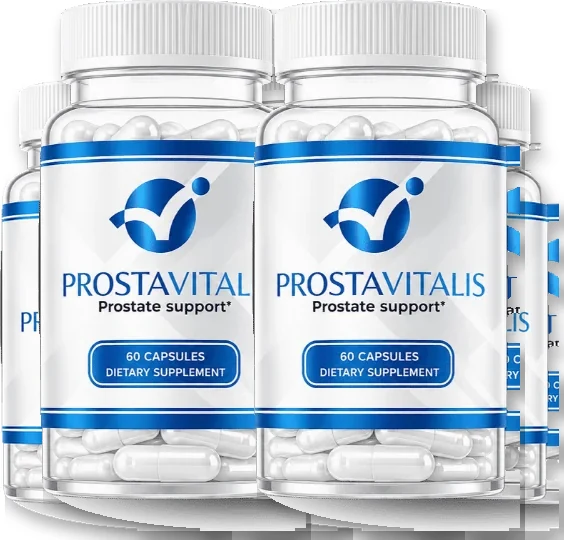
ProstaVitalis puts saw palmetto, beta-sitosterol, zinc and selenium in one daily formula, with the evidence for each laid out. See the current options and availability.
Order Now