Prostate Supplement Ingredients: What to Look For
Quick Answer: Which Prostate Supplement Ingredients Actually Matter?
The prostate supplement ingredients with the most human data are beta-sitosterol and saw palmetto, ideally as standardized extracts, alongside the essential minerals zinc and selenium. On a label, look for named extract standardization, milligram amounts that match studied doses, and third-party testing. Clear amounts are a good sign, and vague proprietary blends are worth a second look.
- Best data: beta-sitosterol for urinary symptom scores; saw palmetto is mixed.
- Check the number: saw palmetto standardized to 85 to 95 percent fatty acids.
- Verify: third-party testing and GMP manufacturing beat marketing claims.
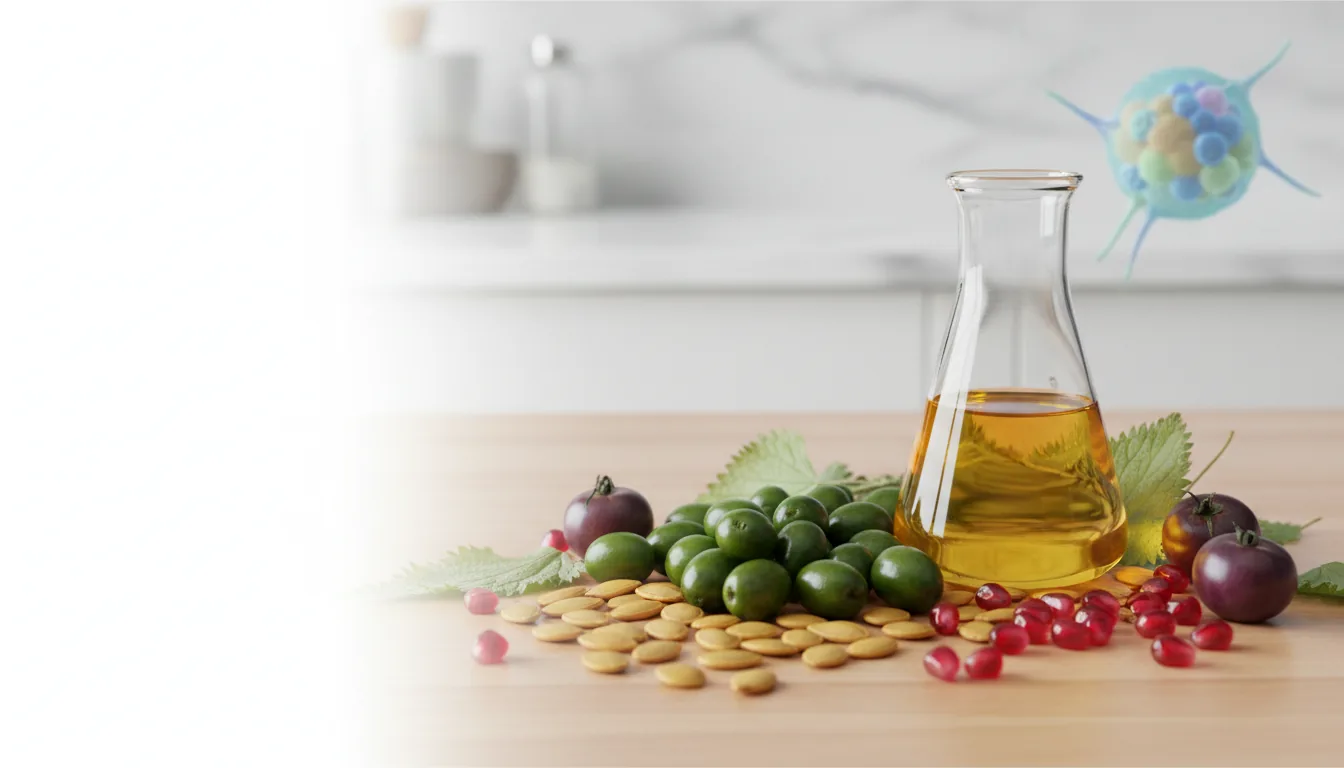
Most prostate supplements draw from the same short list of ingredients, yet two products with identical-sounding labels can be worlds apart in quality. The difference is rarely in the name of the herb. It is in the details underneath: how the extract is standardized, how many milligrams you actually get, whether the dose matches what researchers used, and whether anyone independent has checked that the capsule contains what the label claims. This guide walks through how to read those details so you can tell a serious formula from a padded one.
Start with the ingredients that have human data
Before you weigh doses or purity, it helps to know which ingredients have earned their place. The prostate-support category rests on a handful of plant compounds and minerals, and their evidence is not equal. Being honest about that hierarchy is the first filter.
Beta-sitosterol is a plant sterol with arguably the most consistent human data. Reviews of trials in men with benign lower-urinary-tract symptoms report improvements in urinary flow rate and symptom scores versus placebo. Importantly, the benefit is functional, meaning it relates to how the bladder empties, and it does not shrink the gland itself.
Saw palmetto (Serenoa repens) is the famous name, but its evidence is genuinely mixed. Some earlier trials suggested a modest symptom benefit, while the largest and best-controlled studies, including the CAMUS trial, found it no better than placebo. That does not make it worthless, but it does mean the honest label is popular and well tolerated rather than proven.
Zinc and selenium are essential trace minerals, and zinc is concentrated in prostate tissue. They belong in a formula for nutritional completeness, but they are not symptom relievers, and the large SELECT trial found selenium did not prevent prostate cancer. Pygeum africanum and stinging nettle root round out many blends with older, smaller studies that hint at modest benefit, usually in combination rather than alone.
What "standardized extract" actually means
This is the single most useful phrase to understand. A standardized extract is manufactured so that each batch contains a stated percentage of its active compounds. Without standardization, a gram of dried herb might contain a lot of active compound or almost none, and you have no way to know. Standardization is how a supplement becomes reproducible rather than a gamble.
For saw palmetto, the meaningful figure is the fatty-acid and sterol content. Research-grade extracts are typically standardized to 85 to 95 percent fatty acids. If a saw palmetto product lists only a milligram amount of raw berry powder with no percentage, it is likely a weaker preparation than the extracts used in trials, even if the milligram number looks large.
Sterol content and matching the studied dose
For beta-sitosterol, the number that matters is the milligram amount of sterols, not the weight of the source material. Trials commonly used sterol doses in the range of roughly 60 to 130 milligrams per day, often split across servings. A label that buries beta-sitosterol inside a blend without stating its individual amount makes it impossible to know whether you are anywhere near a studied dose.
This is the core habit worth building: read the ingredient, find the milligram amount, find the standardization percentage, then ask whether the two together approximate what studies actually used. A famous ingredient at a token dose is marketing, not medicine.

Evidence tiers, ingredient by ingredient
Grouping ingredients by the strength of their human evidence makes a crowded label easier to judge at a glance.
| Ingredient | Evidence tier | What to look for on the label |
|---|---|---|
| Beta-sitosterol | Stronger, most consistent | Stated milligrams of sterols, ideally 60 to 130 mg/day |
| Saw palmetto | Mixed | Standardized to 85 to 95 percent fatty acids, around 320 mg/day |
| Pygeum africanum | Limited, older | Standardized bark extract with a stated amount |
| Stinging nettle root | Limited, usually combined | Root, not leaf; a defined extract ratio |
| Zinc | Nutritional, essential | Around the daily value; not mega-dosed |
| Selenium | Nutritional, essential | Modest amount; more is not better |
A well-built formula tends to lead with the better-studied ingredients at real doses and treats the minerals as supporting nutrition. A weaker one pads the list with a dozen trace botanicals to look impressive while under-dosing the ones that count.
How to confirm a product is actually tested
Purity claims are easy to print and hard to verify, so look for the signals that put someone independent behind the words. The strongest is third-party testing, where an outside lab confirms identity, potency and the absence of contaminants such as heavy metals. Ask whether the company will share a certificate of analysis, a batch document showing what testing found.
Manufacturing in a GMP-registered facility is a baseline expectation rather than a bonus, and independent seals such as NSF or USP are a stronger signal than a brand vouching for itself. None of these prove a supplement will help you, but they raise your confidence that the capsule contains what the label says at the amount stated.
Marketing red flags to walk away from
Some patterns reliably separate honest products from hype. Treat the following as warnings:
- Cure or shrink claims. No supplement treats, cures or shrinks the prostate, and language that says otherwise is both inaccurate and a compliance problem.
- Overnight results. Urinary symptoms respond gradually over weeks, so promises of a few days ignore how these compounds behave.
- Proprietary blends. A blend that lists only a total milligram figure hides how little of each ingredient you get, which is usually the point.
- Doses far below studies. A token amount of a famous ingredient rides its reputation without delivering its dose.
- Manufactured urgency. Countdown timers, invented scarcity and dramatic before-and-after imagery are sales tools, not evidence.
A practical label-reading checklist
Put it together and a five-point pass tells you most of what you need:
- Are the better-studied ingredients present and named individually, with milligram amounts?
- Is saw palmetto standardized to a fatty-acid percentage, not just raw powder?
- Do the amounts approximate the doses used in research?
- Is there third-party testing or an independent seal, and a certificate of analysis on request?
- Is the language measured, or does it promise cures and speed?
One honest limitation is worth stating: a finished multi-ingredient supplement is not identical to any single studied dose. Ingredients can have evidence while the specific product has never been trialled, so matching amounts to the literature is the closest a shopper can reasonably get.
Why a longer ingredient list is not a better one
It is tempting to read a label with twenty botanicals as more thorough than one with five. Usually the opposite is true. A capsule can only hold so much, so every extra ingredient competes for the same limited space. Pack in a dozen trendy extras and there is simply no room left to dose the ones that count at the amounts studies used. A crowded label often signals a marketing decision rather than a formulation one, designed to impress on the shelf rather than perform in the body.
A more reassuring pattern is a short, deliberate list that leads with the better-studied ingredients at meaningful doses, then adds supporting nutrients such as zinc and selenium at sensible amounts. When you see beta-sitosterol and standardized saw palmetto given their own clearly stated milligram figures near the top of the list, you are usually looking at a formula built around evidence rather than around the label copy.
Form, absorption and serving size
Two labels can list the same milligram amount and still deliver differently. The plant part matters: stinging nettle root is the studied portion for urinary symptoms, not the leaf, so a product that lists only "nettle" leaves you guessing. Extract ratios, such as a 4:1 or 10:1 concentration, tell you how much raw herb the extract represents, which affects potency. And serving size is easy to overlook: a label may hit an impressive daily total only across three or four capsules a day, so always divide the stated amounts by the number of capsules per serving to see what a single dose really contains.
Absorption is the quieter variable. Fat-soluble compounds such as saw palmetto's fatty acids and the plant sterols are generally better taken with a meal that contains some fat, which is one reason dosing instructions and timing belong on your radar alongside the raw numbers.
Questions worth asking a brand directly
If a product page leaves gaps, a short email to customer service tells you a lot, both from the answers and from whether you get one at all. Useful questions include:
- What is the standardization percentage for the saw palmetto extract?
- How many milligrams of beta-sitosterol sterols are in a daily serving?
- Do you test every batch with a third-party lab, and can I see a certificate of analysis?
- Is the facility GMP-registered, and where is the product manufactured?
- What is the plant part and extract ratio for each botanical?
A confident, specific answer is a good sign. Vague reassurance, or a pivot to sales language, tells you the numbers may not bear scrutiny.
Medical note: this article is general information, not medical advice. Speak to a healthcare professional before starting any supplement, especially if you take blood thinners or prostate medication, and see a clinician for urinary difficulty or a raised PSA.
Scientific references
- NIH NCCIH — Saw Palmetto: What You Need To Know
- Tacklind J. et al. — Serenoa repens for benign prostatic hyperplasia, Cochrane Database of Systematic Reviews
- Wilt T. et al. — Beta-sitosterol for benign prostatic hyperplasia, systematic review
- U.S. FDA — Current Good Manufacturing Practices for dietary supplements
- NIH Office of Dietary Supplements — Zinc fact sheet
Related reading
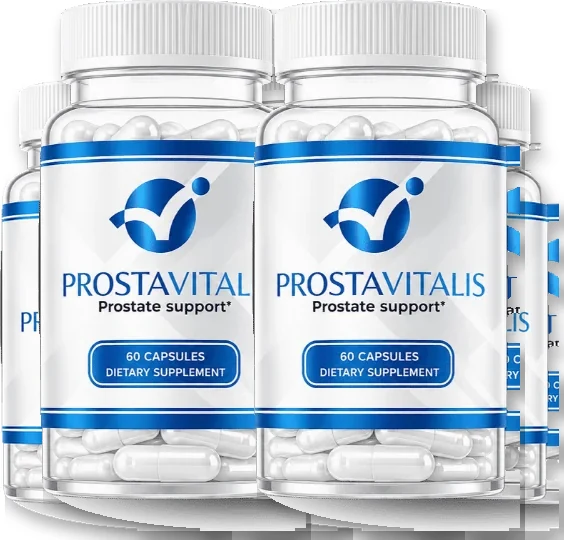
See how ProstaVitalis lays out its label
Every ingredient, its standardization and its milligram amount, laid out against the evidence rather than hidden in a blend.
Order Now