Pygeum Africanum for Prostate: What Trials Show
Quick Answer: What Does the Research Say About Pygeum for the Prostate?
Pygeum africanum is an extract of African plum tree bark used for urinary symptoms linked to an enlarged prostate. A Cochrane review of about 18 trials reported modest improvements in urinary flow and night-time urination versus placebo. Typical studied doses were 100 to 200 mg a day, and many studies were small and short.
- Finding: modest gains in flow rate and night waking versus placebo in the pooled trials.
- Dose: roughly 100 to 200 mg of standardised extract per day.
- Caveat: the trials were older, small and short — evidence quality is limited.

What pygeum is
Pygeum africanum — more correctly Prunus africana — is the African plum tree, an evergreen native to the highland forests of sub-Saharan Africa. The part used medicinally is the bark, which is harvested and processed into a lipid-rich extract standardised to its content of phytosterols and other fatty compounds. It has a long history of traditional use for urinary complaints and became a popular prostate remedy in Europe well before saw palmetto dominated the shelves in North America.
Like the other botanicals in this category, pygeum is used to support the cluster of urinary symptoms that accompany an enlarged prostate: a weaker stream, going more often, urgency, and waking at night to urinate. And like the others, it is important to be clear at the outset about what it is not. Pygeum is not a drug, it is not a treatment for benign prostatic hyperplasia or any disease, and there is no good evidence that it shrinks the prostate. The question worth asking is narrower and more honest: does it modestly ease symptoms, and how good is the evidence that it does?
What the Cochrane review found
The most cited evidence for pygeum is a systematic review and meta-analysis carried out under the Cochrane methodology, which pooled roughly 18 randomised controlled trials involving about 1,500 men. Its conclusion was cautiously positive — more encouraging, in fact, than the verdict on saw palmetto. Men taking pygeum were more than twice as likely to report an overall improvement in symptoms compared with those on placebo. On the specific measures, the review reported a meaningful reduction in nocturia (night-time urination), a reduction in residual urine volume, and an improvement in peak urinary flow rate.
Those are exactly the outcomes men care about, and it is fair to say that on the face of it, pygeum came out of the analysis looking better than its reputation might suggest. That is the encouraging headline. The important part, though, is the fine print, because it changes how much weight the headline can bear.
Why the evidence quality caveat matters
The reviewers were candid about the limitations, and so should anyone quoting them. The trials were mostly older, conducted decades ago, before modern standards for trial design and reporting became routine. They were small, with an average of well under a hundred participants each. They were short, usually running only a month or two, which tells you little about whether any benefit lasts. And the preparations and outcome measures varied from study to study, making them hard to combine cleanly.
Put together, this means the honest summary of pygeum is "promising, but the evidence is not strong enough to be sure." A cluster of small, short, dated trials pointing in a favourable direction is genuinely better than nothing, but it is not the same as a large, modern, well-controlled trial confirming the effect — which, for pygeum, we still lack. The reviewers explicitly called for exactly those larger, longer studies. Until they exist, treat the positive findings as a reasonable basis for cautious optimism rather than proof.
The dose studied
Across the trials, pygeum was typically given at 100 to 200 mg of extract per day. Some studies used a single daily dose; others split it, commonly as 50 mg twice daily or 100 mg twice daily. The extracts were generally standardised — one long-used preparation is standardised to a defined sterol content — which matters because, as with every botanical, the concentration and quality of the extract are as important as the milligram number on the front of the bottle.
For anyone comparing supplements, the practical checkpoint is whether the pygeum dose lands in that 100 to 200 mg range of a standardised bark extract, rather than a token sprinkling included mainly so the ingredient can appear on the label. A formula that name-drops pygeum but provides only a few milligrams is trading on the ingredient's reputation without delivering what the studies actually used.
How pygeum compares
Pygeum, saw palmetto and beta-sitosterol are the three plant ingredients you will meet most often. Here is how the evidence stacks up at a glance.
| Ingredient | What the evidence suggests | Studied dose |
|---|---|---|
| Pygeum africanum | Modest gains in flow and nocturia; older, small, short trials | ~100–200 mg/day |
| Beta-sitosterol | Modest gains in flow and IPSS; limited long-term data | ~60–130 mg/day (as sterols) |
| Saw palmetto | No better than placebo in the largest trials | 320 mg/day |
The pattern is consistent across all three: a functional easing of symptoms at best, no effect on prostate size, and no claim to treat disease. Pygeum and beta-sitosterol have the more favourable trial signals; saw palmetto has the weakest. None of them is a substitute for medical assessment when symptoms are troublesome.
Side effects and safety
One genuinely reassuring feature of pygeum across the trials is its tolerability. Side effects were uncommon and, when they occurred, were mild — most often gastrointestinal, such as nausea, stomach discomfort or diarrhoea, and generally no more frequent than with placebo. That is a good safety signal, at least for the short courses the trials covered, and it is one reason pygeum has remained a fixture in prostate formulas despite the age of its evidence base.
The honest counterpoint is that long-term safety data are limited, simply because the trials were short. There is also an environmental footnote worth knowing: wild Prunus africana has been over-harvested for the supplement trade, and it is now a protected species, so sustainably sourced or cultivated material is preferable. As with any supplement, the sensible steps are to tell your doctor you are taking it, especially if you manage a health condition or take medication, and not to use it to delay getting persistent or worrying urinary symptoms checked.
How to think about pygeum in a formula
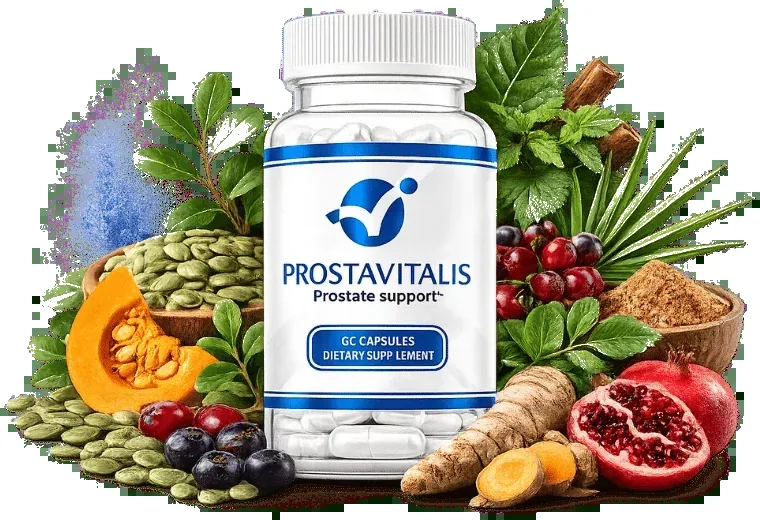
Pygeum rarely appears alone; more often it is one component of a multi-ingredient prostate formula alongside beta-sitosterol, saw palmetto, nettle, zinc and selenium. That is a reasonable place for it, given its favourable but limited evidence. The caution is the same one that applies to every combination product: a finished blend is not the same as any single studied dose, and the ingredients can each have evidence while the specific product has never been trialled as a whole. Combining several botanicals also tends to dilute each one, so a formula listing pygeum, beta-sitosterol, saw palmetto and nettle may carry only a fraction of each ingredient's studied amount. Check the pygeum figure against the 100 to 200 mg standardised-extract range, weigh it alongside the beta-sitosterol dose, keep your expectations modest and functional, and remember that persistent or worsening urinary difficulty is a reason to see a clinician, not to buy a bigger bottle.
Medical note: this article is general information, not medical advice. Pygeum is not a treatment for benign prostatic hyperplasia or any disease. If you have urinary difficulty, blood in the urine, pain or a raised PSA, see a clinician. Speak to a healthcare professional before starting any supplement.
Related reading
Scientific references
- Wilt T. et al. — Pygeum africanum for benign prostatic hyperplasia, Cochrane Database of Systematic Reviews
- Ishani A. et al. — Pygeum africanum for BPH: systematic review and meta-analysis, American Journal of Medicine
- NIDDK — Prostate Enlargement (BPH)
- American Urological Association — BPH Guideline
- NIH NCCIH — herbal supplements and prostate health
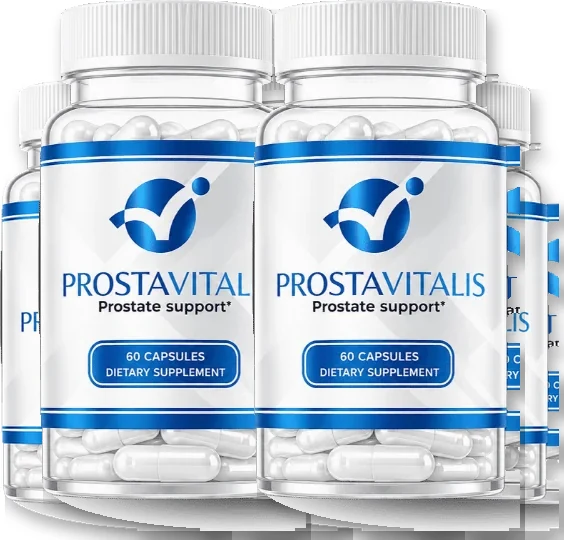
Want to see how pygeum fits a full formula?
See how ProstaVitalis combines pygeum with beta-sitosterol, saw palmetto, nettle, zinc and selenium — every dose and the evidence behind it, laid out plainly.
Order Now