Saw Palmetto Side Effects: Interactions to Know
Quick Answer: Is Saw Palmetto Safe, and What Should I Watch For?
Saw palmetto side effects are usually mild, and it is generally well tolerated. The main issue is digestive upset in about 10 to 15 percent of users, with rare sexual side effects. Practical cautions apply: it may add to bleeding risk with blood thinners and NSAIDs, could affect a PSA test, and is often stopped before surgery. Tell your clinician you take it.
- Common: mild nausea or stomach upset, often eased by taking it with food.
- Interactions: possible added bleeding risk with warfarin, aspirin and NSAIDs.
- Disclose it: before a PSA test and before any scheduled surgery.
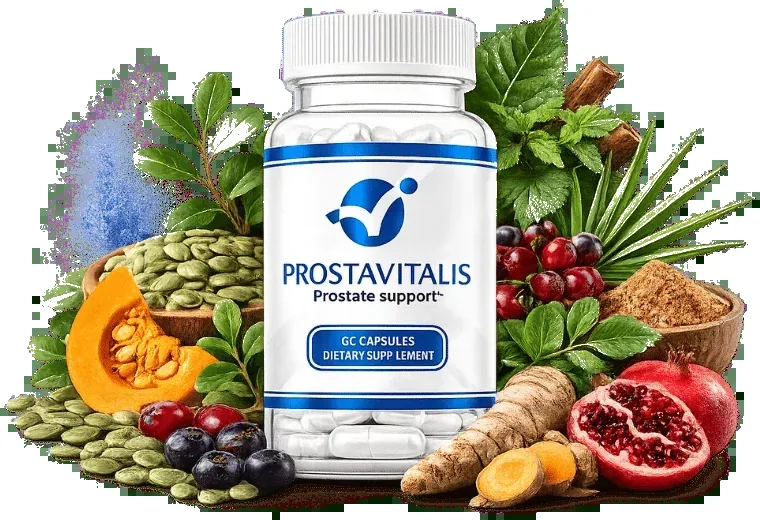
Saw palmetto (Serenoa repens) has one of the friendliest safety records in the men's-health aisle, which is part of why it has stayed popular for decades. Most people who take it notice nothing more than the occasional upset stomach. But well tolerated is not the same as interaction-free, and the situations that matter most are ones a supplement label rarely spells out: what happens when saw palmetto meets a blood thinner, a PSA test, or a scheduled operation. This guide covers the side effects you might actually feel and the interactions worth planning around.
The side effects most people might notice
Across trials and reviews, saw palmetto's side-effect profile is mild and closely resembles placebo. The most frequently reported problems are gastrointestinal: nausea, stomach discomfort, or loose stools, seen in roughly 10 to 15 percent of users. These are usually minor and often fade after the first week or two. The simplest fix is to take the capsule with food rather than on an empty stomach, which blunts most of the digestive complaints.
Less commonly, some people report headache or mild dizziness. Sexual side effects, such as a dip in libido, are uncommon and generally reversible when the supplement is stopped. Allergic reactions are rare. None of this is meant to alarm; for most men the experience is uneventful. The point is simply that a small share of users do feel something, and knowing the pattern helps you tell an ordinary settling-in period from a reason to stop.
When a side effect is a reason to stop
Mild, fading stomach upset is expected. What is not expected, and warrants stopping and calling a clinician, is any sign of an allergic reaction, persistent abdominal pain, yellowing of the skin or eyes, or unusual bruising and bleeding. Rare case reports have linked saw palmetto to liver and pancreas issues, and while causation is far from settled, new and unexplained symptoms always deserve a professional opinion rather than a wait-and-see.
The interaction that matters most: bleeding risk
This is the headline safety issue. Case reports have associated saw palmetto with increased bleeding, and the plausible mechanism is an effect on platelet function. On its own, in a healthy person, that is unlikely to be a problem. The concern is additive risk when saw palmetto is combined with medicines that already reduce clotting.
That includes prescription anticoagulants such as warfarin, antiplatelet drugs such as clopidogrel, everyday aspirin, and NSAIDs like ibuprofen and naproxen. If you take any of these, the sensible move is a conversation with your doctor or pharmacist before you start, and awareness afterward of warning signs: bruising more easily than usual, nosebleeds, bleeding gums, or blood in the urine or stool.
| If you take... | Why it matters with saw palmetto | Sensible step |
|---|---|---|
| Warfarin | Both can affect clotting; possible additive bleeding risk | Ask your prescriber before combining |
| Aspirin / NSAIDs | Antiplatelet effect may add to bleeding risk | Discuss, and watch for easy bruising |
| Clopidogrel | Antiplatelet effect may be additive | Check with your doctor or pharmacist |
| Hormone-related medicines | Saw palmetto acts on hormone pathways | Mention it to your prescriber |

Saw palmetto and your PSA test
The PSA (prostate-specific antigen) blood test is a key screening and monitoring tool, and its value depends on interpreting the number in context. Because saw palmetto works on the same hormone pathways in the prostate that some prostate medications act on, there is a reasonable caution that it could influence or complicate PSA interpretation. The evidence here is not definitive, and views differ.
The practical takeaway does not require settling the science: tell whoever orders your PSA test that you take saw palmetto. A clinician who knows can read the result appropriately, rather than being surprised by a number without the full picture. Silence is the real risk, not the supplement itself.
Before surgery and other procedures
Because of the potential effect on bleeding, saw palmetto belongs on the list of supplements many surgeons ask patients to pause before an operation. A common recommendation is to stop roughly two weeks beforehand, though the exact timing depends on the procedure and your surgeon's protocol. This applies to dental surgery and other invasive procedures too.
The universal rule is disclosure. Give your surgical and anesthesia team a full list of everything you take, supplements included, and follow their specific guidance on when to stop and when it is safe to restart. They can only plan around what they know about.
Who should be especially cautious
Beyond the interactions above, a few groups have extra reason to check first: anyone with a known bleeding disorder, anyone on hormone-related therapy, and anyone managing a diagnosed prostate condition where a supplement could muddy the monitoring. Saw palmetto is not intended for women, and it is not a treatment for any disease. If you have urinary difficulty, blood in the urine, pelvic pain or a raised PSA, that is a medical situation for a clinician, not a self-care one for a supplement.
How to start saw palmetto with the fewest problems
Because the common complaints are digestive, a few simple habits head off most of them. Take the capsule with a meal rather than on an empty stomach; the food buffers the stomach and improves absorption of the fat-soluble actives at the same time. If you are cautious, you can begin at a lower amount and build to the usual daily dose over a week or two, giving your system time to adjust. Consistency matters more than perfect timing: the same time each day, with food, is the pattern that both minimises upset and reflects how the ingredient was studied.
Keep a mental baseline of how you feel in the first fortnight. Mild, fading stomach upset is the expected settling-in. Anything that grows rather than fades, or anything in the stop-and-call category above, is worth acting on rather than pushing through.
What the trials say about tolerability
It is fair to ask whether the side effects are really from the herb at all. In controlled trials, saw palmetto's adverse-event rate is strikingly close to placebo, which is another way of saying most of what people feel is mild and not clearly caused by the extract. Dropout rates due to side effects in the large studies were low. That is the reassuring half of the picture. The sobering half is that the same large, well-controlled trials that showed good tolerability also showed limited benefit for urinary symptoms, so a clean safety record should not be mistaken for proof that the ingredient is doing much. Tolerated and effective are two separate questions, and the honest answer to the first is more confident than the answer to the second.
Product quality as a quiet safety issue
Most discussion of saw palmetto safety focuses on interactions, but there is a less obvious risk: what is actually in the bottle. The supplement market is not pre-approved the way drugs are, and independent testing has repeatedly found products that under-deliver on their labelled amounts or, occasionally, carry contaminants such as heavy metals. A poorly made product can be a safety problem in its own right, quite apart from the herb itself.
This is where the boring signals earn their keep. A product made in a GMP-registered facility, verified by a third-party lab, and willing to share a certificate of analysis is more likely to contain what it claims at the dose it claims. Independent seals such as NSF or USP add another layer of confidence. None of this guarantees an effect, but it does reduce the chance that an unpleasant surprise comes from the manufacturing rather than the molecule.
A note on other combinations
Beyond blood thinners, keep two more situations in mind. Saw palmetto acts on hormone pathways, so if you take any hormone-related therapy it is worth mentioning to your prescriber, both to avoid working at cross purposes and to keep your monitoring clean. And because it may nudge PSA, anyone using it alongside prescription prostate care should make sure every clinician involved has the full list. The theme running through all of this is not that saw palmetto is dangerous, but that its interactions are easy to manage with disclosure and impossible to manage without it.
Medical note: this article is general information, not medical advice. Speak to a healthcare professional before starting saw palmetto, especially if you take blood thinners, aspirin or NSAIDs, have a PSA test scheduled, or have surgery planned.
Scientific references
- NIH NCCIH — Saw Palmetto: What You Need To Know
- Tacklind J. et al. — Serenoa repens for benign prostatic hyperplasia, Cochrane Database of Systematic Reviews
- MedlinePlus — Saw Palmetto: uses, side effects and interactions
- Bent S. et al. — Saw palmetto for benign prostatic hyperplasia (CAMUS), New England Journal of Medicine
- American Urological Association — Benign Prostatic Hyperplasia (BPH) Guideline
Related reading
See what is in ProstaVitalis, spelled out
Saw palmetto, beta-sitosterol and supporting nutrients with amounts and cautions stated plainly, so you can take the label to your clinician.
Order Now